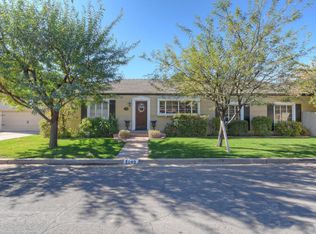
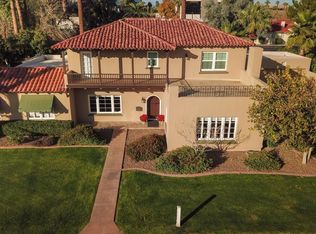
Home is a multi level, Spanish Revival home in remodeled condition. Current owners purchased home in fair condition and have since reported spending over $450,000 on restoration items such as new copper plumbing, wiring, paint, flooring, window coverings, appliances, gas lines, gas tankless water heaters, porte-cochère, covered patio, ceiling fans, roof, custom tile wall fountain and a diving pool with hot tub/spa. Home is located in the Alvarado Historic District and is listed on the National Register of Historic Places. Community in high demand due in part to small number of homes (28) in this district, limiting supply, proximity to downtown Phoenix, and appeal of homes. High end remodeling not uncommon for area. Home sides a private dinner club, The University Club. Not an adverse marketing condition. Area comprised of homes, small and larger office spaces and condominiums. Neighborhood Description Alvarado Historic District Visions In The Desert Arriving in Phoenix in 1895, Dwight B. Heard quickly assessed the Valley's great potential and grasped the limitations imposed by the cycle of floods and drought which plagued the Valley. Motivated by investments in land and agriculture, he became an active force in efforts to promote federal projects that would harness the Valley's water. With successful passage in 1902 of the National Reclamation Act, Heard applied his efforts locally where he served as a county water commissioner, helping to lay the groundwork that led to construction of the Roosevelt Dam. Completed in 1911, the dam tamed the waters of the Salt River, transforming the Valley by providing both stable irrigation and protection from inundating floods. In 1903, Heard and his wife Marie constructed a 6,000-square-foot Spanish Colonial Revival mansion they named "Casa Blanca." Located at the corner of Monte Vista and Central, the home was the cornerstone of future Alvarado and was a frequent stop for visitors and dignitaries from throughout the nation. Sensing the promise this north central location held, Heard purchased the entire quarter section of land on which his estate was located. In 1909, he subdivided the 160 acres, which ranged from Central Ave to Seventh Street and McDowell Road to Oak Street, in to 32 parcels of five acres each. Intended for upscale, estate size homes, the project, named Los Olivos, was the most prestigious of the early suburban homesite subdivisions with the largest lots available. Preparing the project for sale, Heard provided numerous plantings throughout the subdivision, including hundreds of palm trees.
This property is off market, which means it's not currently listed for sale or rent on Zillow. This may be different from what's available on other websites or public sources.